A Designer’s Real-World Take on the Label Shape Svg Bundle
When a new bundle of graphics lands in my digital toolbox, my first question is never just about aesthetics. It’s about utility. How will this look when it’s stitched out? What kind of project does it naturally belong to? Let’s walk through a practical review of the Label Shape Svg Bundle from the perspective of an embroidery designer who needs assets that work, not just look good on screen.
The Immediate Mood and Project Fit
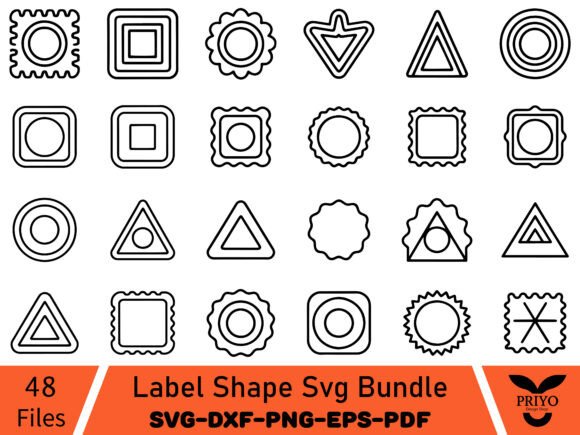
Opening the Label Shape Svg Bundle, the feeling is clear: these are classic, clean, and inherently useful shapes. They carry a sense of order and purpose. This isn’t a wildly decorative theme; it’s a foundational one. The visual personality leans toward structure, clarity, and a touch of nostalgia—think of well-made tags on artisan goods. This mood tells me immediately that this bundle isn’t for every project. It naturally belongs to products where information, branding, or personalization is the star.
My mind goes straight to practical applications: a custom embroidered tote bag for a small bakery, needing a neat label for its logo. A personalized baby blanket with a clean, stitched name label. A set of tea towels for a holiday gift, adorned with a simple “Handmade” tag. The shapes here feel ready to become part of a product’s identity, not just a decoration.
Performance in Real Embroidery Situations
In the hands of an embroidery machine, how does this bundle translate from digital file to finished stitch? Let’s consider a real-life scenario. I’m preparing a batch of embroidered sweatshirts for a local coffee shop’s merchandise. They want a small, elegant label shape on the sleeve to hold their logo text.
The clean lines and defined edges of these label shapes are a major advantage. In embroidery, overly intricate details can blur into a muddy stitch field. Here, the straightforward layouts suggest good stitch clarity. On a sweatshirt’s textured fabric, a design with too much fine detail can get lost. These label shapes, with their presumably solid borders and clear interior spaces, should hold up well, provided the stitch density is managed correctly.
This bundle shines for custom apparel, tote bags, aprons, and pillow covers—items where you want a designated spot for a name, date, slogan, or small graphic. For an embroidered patch, these shapes could form a perfect base, especially for a business or team. They add a sense of professionalism and completeness to a handmade product. When a customer sees a neatly framed, embroidered label on a baby item or a kitchen towel, it elevates the perceived value and craft. It feels intentional, not accidental.
Where Careful Application is Needed
No design is universally perfect, and a practical review must highlight where caution is needed. The very structure of these label shapes means they likely have corners and defined edges.
On curved surfaces like caps, those corners could present a challenge if the design isn’t expertly adapted or hooped correctly. Small hoop sizes might force a reduction that compromises the clarity of the shape’s outline. If the bundle includes any tiny interior lettering or decorative accents, those will need scrutiny on textured or stretchy fabrics—a fleece blanket or a knit hat might not be the best canvas.
Dark fabric is another consideration. A label shape often relies on a clear border. If that border is stitched in a light thread on a dark garment, the contrast is great, but any slight puckering or misalignment in the satin stitch will be more visible. This demands good stabilizer choice and precise setup. For products needing frequent washing, like baby clothes or kitchen linens, the durability of the stitches filling or outlining these shapes is paramount. A dense fill stitch inside a large label area might not withstand heavy wear as well as a simpler running stitch outline.
Impact on Business and Buyer Engagement
Beyond the stitch, this bundle affects your business. For the Etsy seller or small shop owner, using a coherent label shape across your product line—say, on your embroidered tote bags, pillow covers, and aprons—builds brand consistency. Customers start to recognize your handmade presentation. It builds trust.
The giftability of personalized items is heightened. A wedding gift with a clean embroidered label holding the date feels more official and cherished. For commercial embroidery clients, like small businesses ordering branded merchandise, these shapes offer a professional, branded look without being overly flashy. They engage buyers by providing a clear, readable focal point for a message.
Practical Notes for the Embroidery Designer
Before you commit this embroidery file to a final project, here’s my standard advice. Test it on scrap fabric first, ideally the same material you’ll use for the final product. This is non-negotiable. Check the thread color contrast against both light and dark backgrounds in a simple mockup. Review how the design performs at the size you intend; inspect any small details for stitch clarity.
Since the product description mentions versatility for prints and other tasks, this bundle likely comes as a scalable vector graphic. For embroidery, ensure you are working with a proper machine embroidery design file format suitable for your machine. The description does not specify exact formats, hoop sizes, or license terms, so you must confirm these critical details before proceeding. Always verify the licensing—can you use it for personal and commercial projects? Can you sell the finished embroidered items or use it in digital product previews? Never assume.
Use proper stabilizer for the fabric, and consider how the design will look as an applique design if you choose that route—the label shapes could be excellent bases for fabric applique, reducing stitch density. Finally, think about the end product’s life. If it’s a cap or a bag that will see rough use, a simpler stitch execution of these shapes might be more durable than a complex, dense fill.
In essence, the Label Shape Svg Bundle feels like a reliable, utility-focused set of design assets. Its value isn’t in shock and awe, but in clean, dependable structure. It won’t be the right choice for every whimsical or densely decorative embroidery project, but for the projects where clarity, branding, and neat presentation are key—from a boutique’s merchandise to a personalized holiday gift—it could become a staple in your design library. Approach it with a practical eye, test thoroughly, and it will likely stitch out as a solid, professional element on your next finished product.